THE FEED IS FLOODED
Anyone can now type a sentence and get a polished thirty-second spot. Brands, spammers and propagandists all have the same machine, and they all use it. The result is an endless supply of synthetic video that looks expensive and means nothing: AI slop.
People notice. When everything could be generated, they stop believing what they see, and a brand that shows up as one more generated clip is filed with the rest.
Even big-screen history struggles: see how Lapu-Lapu's films have fared, in Lapu-Lapu on screen.
of US consumers would rather give their business to brands that don't use generative AI in their ads and content.
Gartner, March 2026often wonder whether the content and information they see is real.
Gartner, March 2026say AI-generated marketing they can spot makes them trust a brand less / more.
Klaviyo & Datalily via eMarketer, 2026WHAT A GAME DOES THAT A CLIP CAN'T
Attention by choice
An ad interrupts for six seconds. A game is opened on purpose and played for minutes, and the brand is part of what people came for.
Hard to fake
A working world, built from scans of real places and real people, takes craft and time that no prompt replaces. That effort is the message: this brand cared enough to build something.
People act, not watch
They steer, cast, race and win. Doing beats seeing: it is how a brand gets remembered instead of skipped.
Players make the ads
A great catch, a best lap, a dance at the fiesta: players record their own moments and share them with the game's link. Real people vouching, not a generated spokesperson.
Data you own
Every play, catch and share is counted by the game itself: who plays, where, how long, what they do. First-party numbers, not rented impressions.
It keeps playing
A campaign video is over when the budget is. A game keeps being played, and every update brings players back.
The ad industry already measures the gap. In mobile games, playable ads convert impressions into installs at 8 times the rate of non-playable formats for the biggest spenders, and 16 times for the rest (Liftoff, Mobile Ad Creative Index 2025). That is a game advertising a game; a brand's own game goes further, because the play is the whole experience, not a teaser for it.
WHY THE PHILIPPINES
About 45 million Filipinos play games (Ampverse, via The Manila Times, April 2026), most of them on the phone in their pocket, and most of them reached through Facebook and Messenger.
That is exactly where a browser game lives: one tap from a post, no app store, no download. And it travels: an OFW in Riyadh or Hong Kong plays the same island as their family in Cebu.
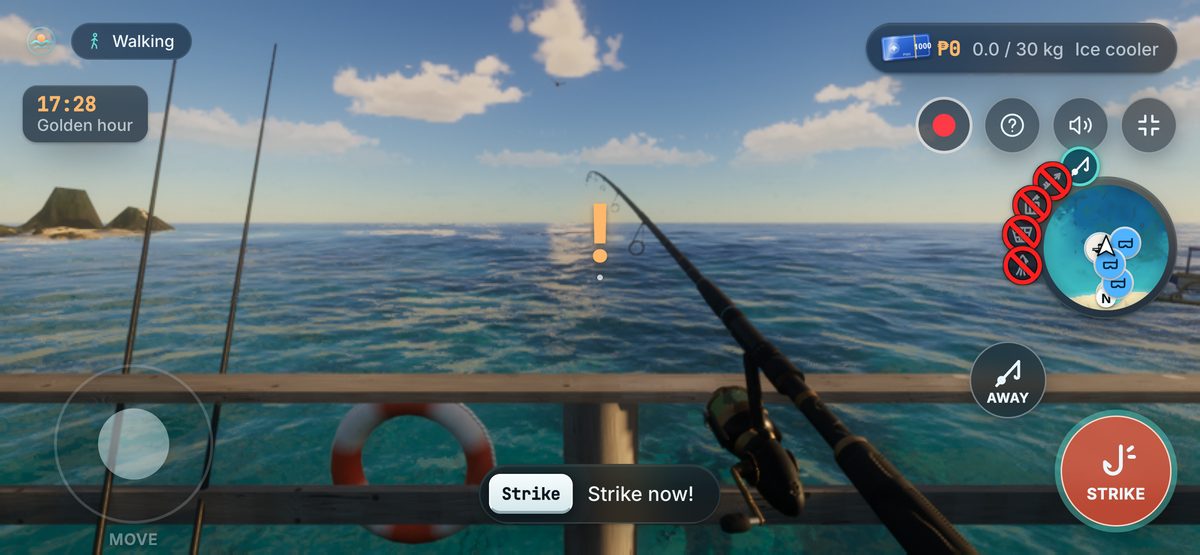
We proved it with Isda, a real-time 3D fishing game of a Philippine barangay that runs in the browser on phones and computers.
WHAT WE BUILD
We use AI every day: to write code, to process scans, to prototype (see our AI and 3D work). The point isn't "no AI". It's that what your audience meets has to be real, and worth their time.
Inside Isda
Your livery on a bangka, your stall at the Mercado, a card that opens beside a place, clearly marked as sponsored.
Places to play
Resorts, islands and cities rebuilt from drone scans, for tourism boards and operators.
SOURCES
- Gartner: 50% of consumers prefer brands that avoid using GenAI in consumer-facing content (16 March 2026; survey of 1,539 US consumers, October 2025).
- eMarketer: Shoppers aren't impressed by AI-generated marketing (1 May 2026; Klaviyo and Datalily, December 2025, 8,000 consumers in 8 countries).
- Summary of Liftoff's 2025 Mobile Ad Creative Index (game advertisers, January 2023 to May 2025).
- The Manila Times: Philippines has 45 million gamers, report says (13 April 2026; Ampverse).